Building a Clear Mental Map of the Mats
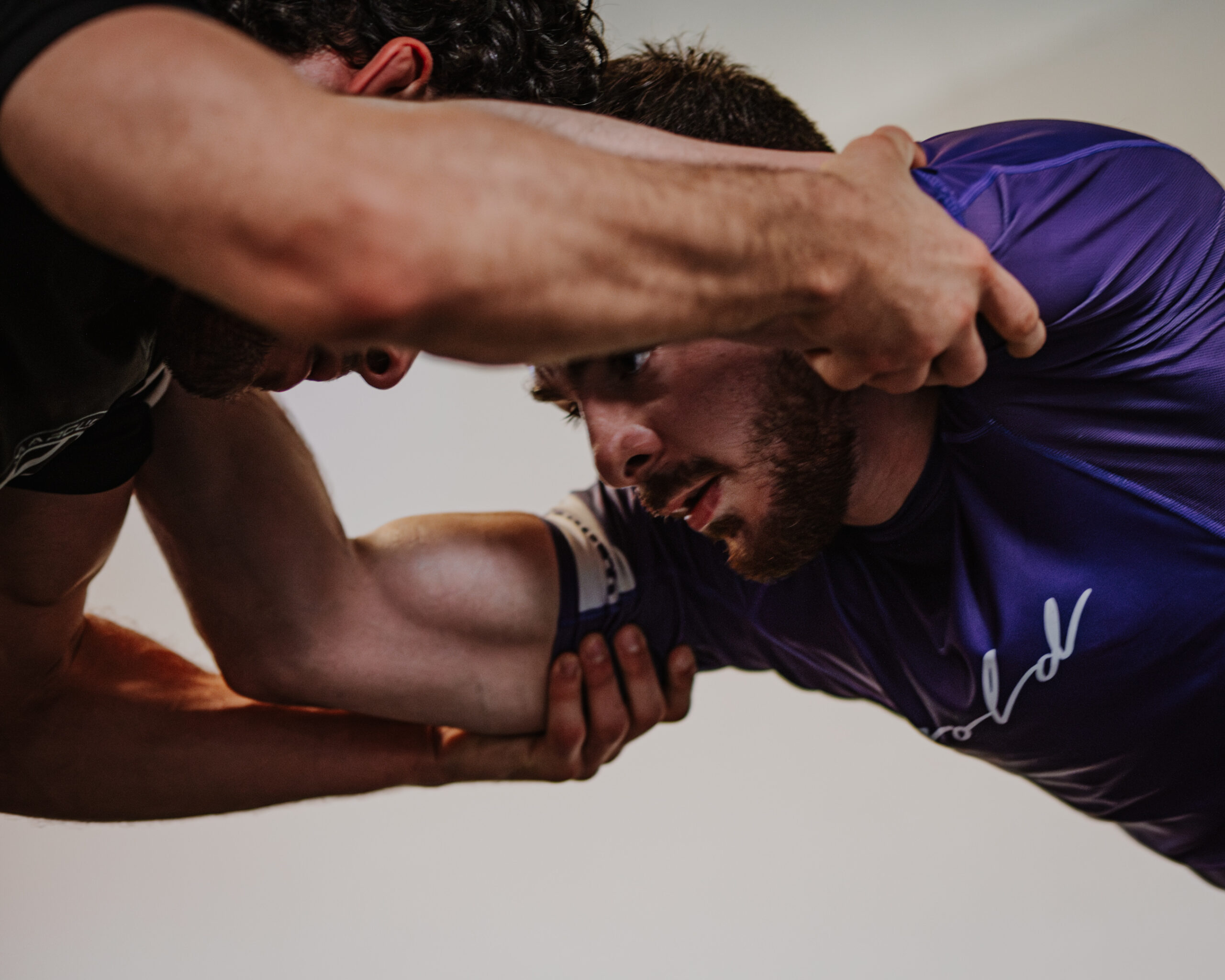
Walking into your first grappling class feels much less intimidating once you recognize the landmarks of ground fighting. For new adult students across Irving, Texas, Brazilian Jiu-Jitsu initially looks like a tangled scramble of limbs and grips. However, every exchange revolves around a predictable sequence of core positions, sweeps, and defensive checkpoints. Learning the names and mechanical goals of these ten fundamental building blocks gives you an immediate compass during live drills.
Rather than memorizing dozens of flashy submissions, white belts progress fastest by mastering basic spatial orientation and body alignment. Understanding where your hips belong relative to your partner prevents panic and reduces physical exhaustion. Our structured martial arts programs introduce these core positions step by step, helping newcomers build reliable muscle memory safely.
DISCOVER MA BJJ ACADEMY
CLICK HEREThe Foundational Guard Positions (Positions 1 to 4)
In ground grappling, the guard allows a practitioner on their back to control a top opponent using their legs and hips. Mastering guard variations teaches you how to neutralize downward weight while setting up sweeps and submissions.
1. Closed Guard and 2. Open Guard
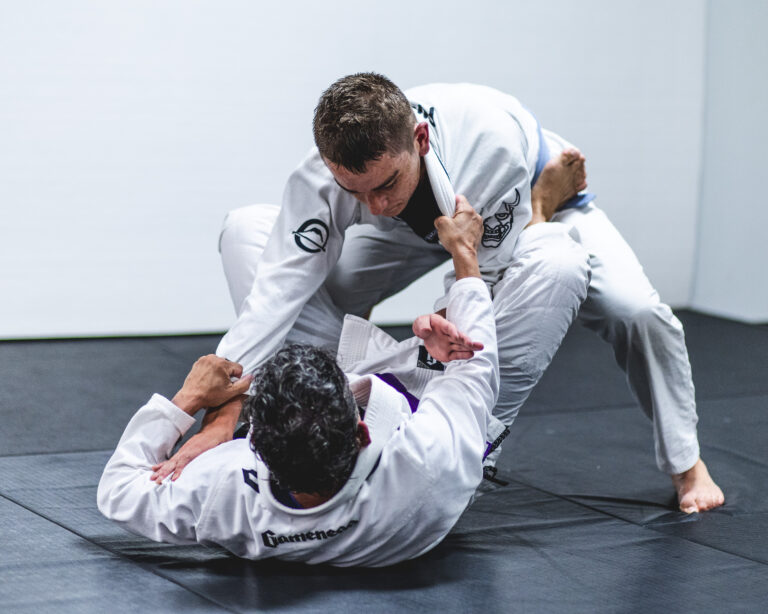
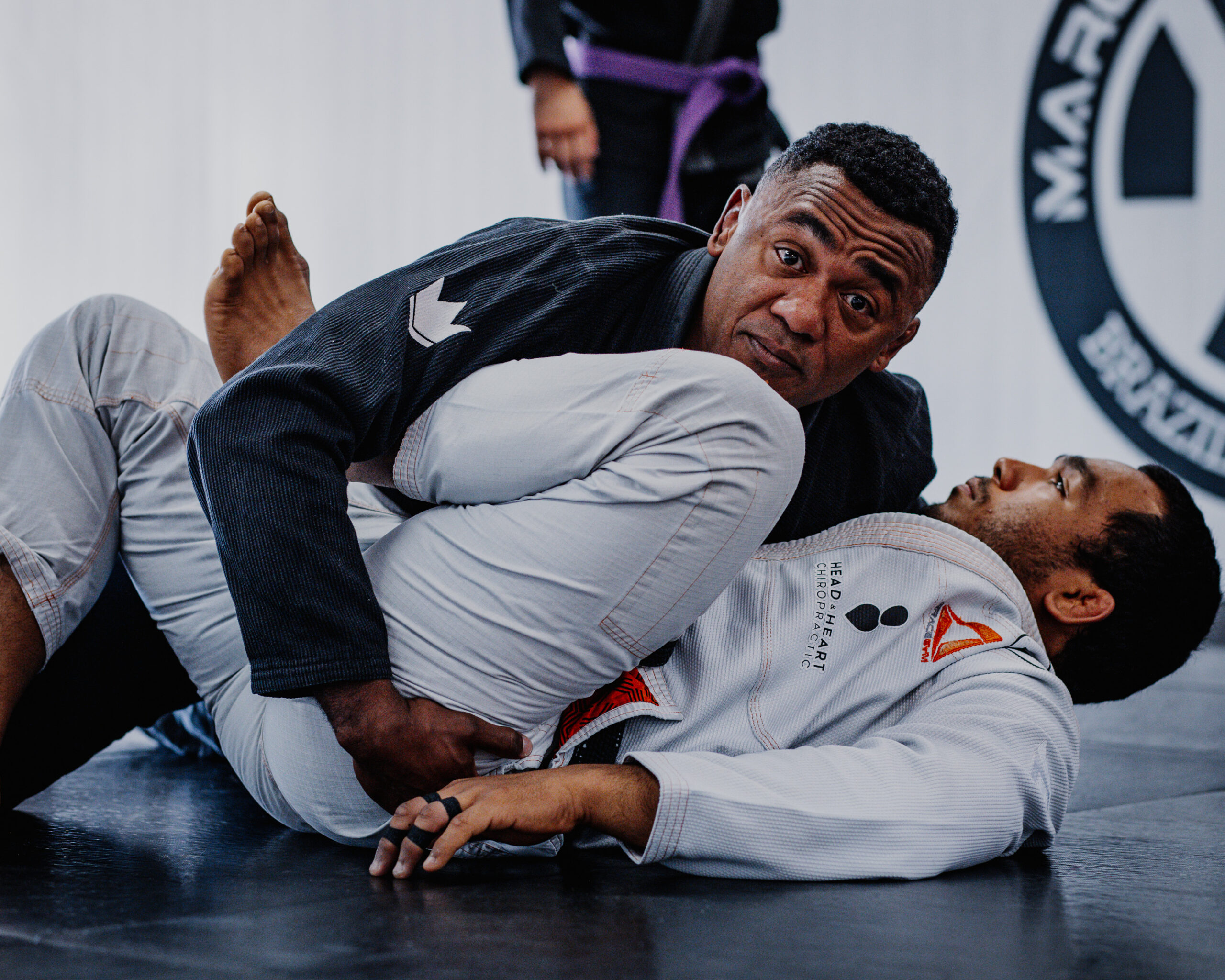
Closed guard occurs when you wrap your legs around your partner's waist and lock your ankles together behind their lower back. By pulling your knees toward your chest and controlling their sleeves, you break their closed guard posture and stop them from standing up. When your ankles unlock to place feet on their hips, biceps, or shoulders, you transition into open guard, using active leg frames to manage distance.
Learning how to switch smoothly between closed and open guard keeps a top passer off balance without draining your grip strength. Relaxing your hands between active posture breaks prevents early grip fatigue during longer rounds. You can explore how these defensive shields fit into your first months of training in our beginner mat survival and framing guide.
3. Half Guard and 4. Knee Shield Control
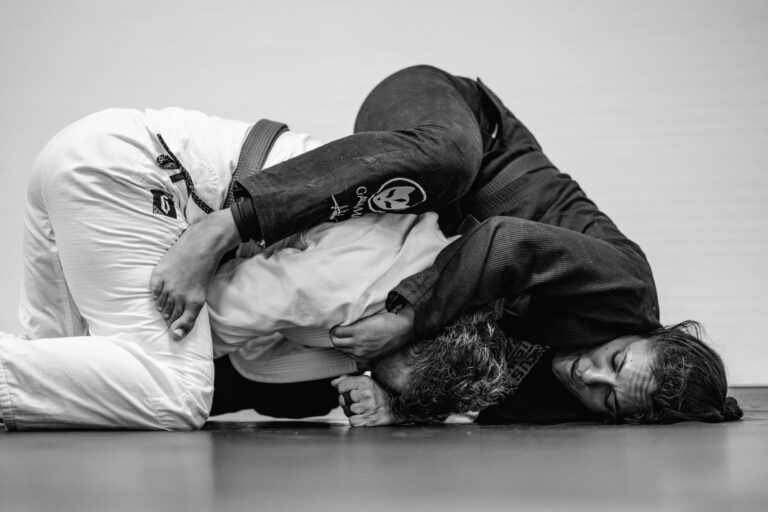
Half guard happens when you trap one of your opponent's legs between both of your legs while staying angled on your side. Establishing a knee shield by placing your top shin diagonally across their torso creates a strong skeletal frame against heavy chest pressure. Simultaneously fighting for a deep underhook control prevents them from flattening your shoulders to the floor.
From a well-structured half guard recovery, you can either sweep your partner backward or slide your hips out to restore full closed guard. Practicing steady nasal breathing in this tight checkpoint keeps your mind calm while you look for space. Understanding these positional checkpoints reinforces the strategic concepts shared in our overview of the most effective Jiu-Jitsu positions for control.
Dominant Top Control Positions (Positions 5 to 7)
Passing your partner's legs leads directly into dominant top pins where gravity works in your favor. Maintaining tight hip connection and eliminating space forces the bottom player to carry your weight while defending attacks.
5. Side Control, 6. Knee on Belly, and 7. Full Mount
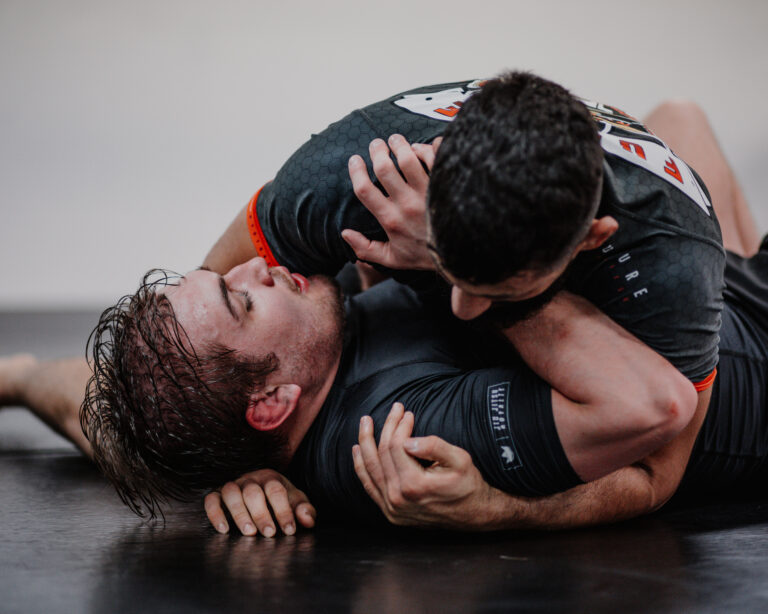
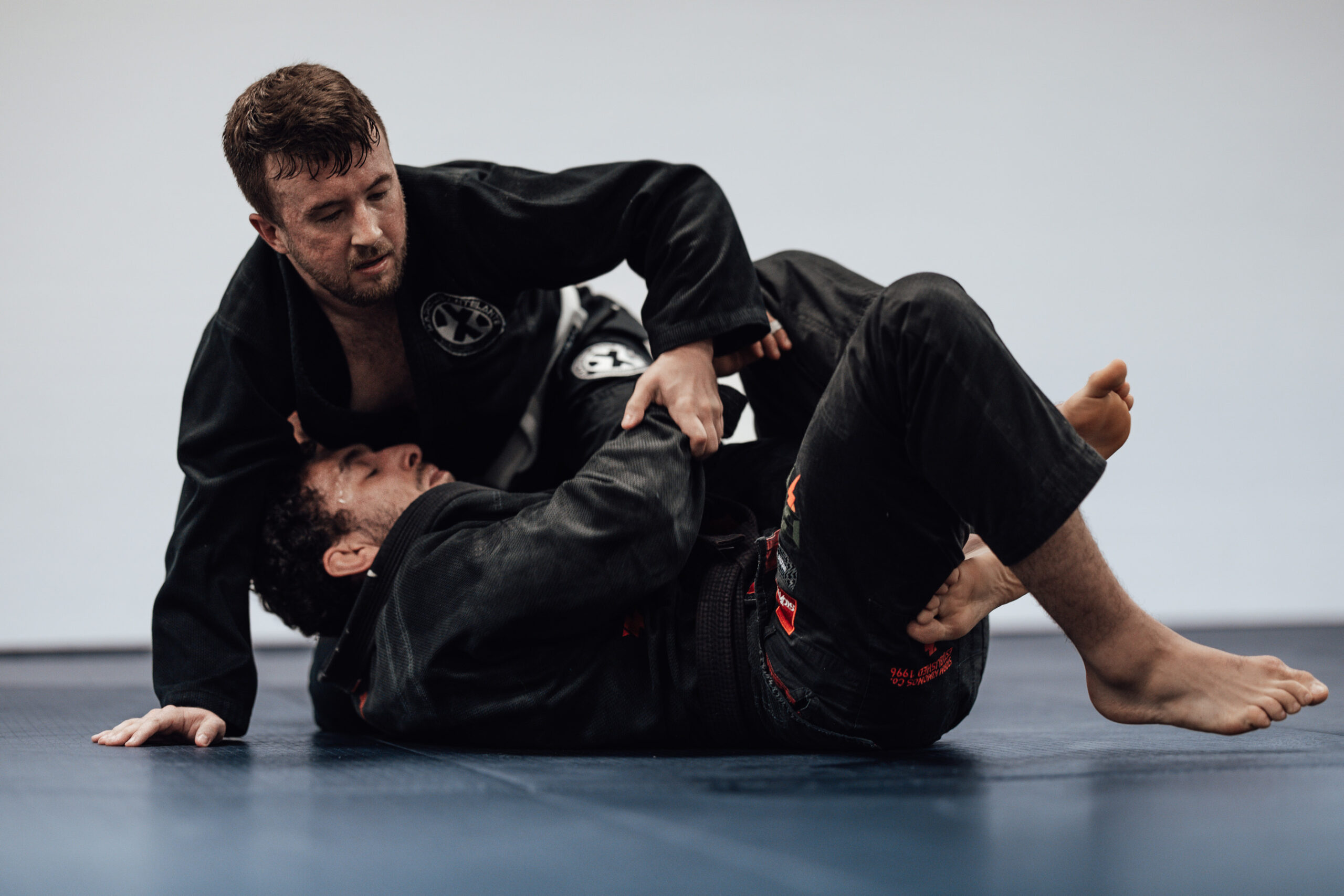
Side control places your chest perpendicular across your partner's torso once you clear their legs. Using shoulder pressure across their jawline paired with hip blocking stops them from turning toward you. Transitioning to knee on belly puts one shin across their abdomen while posting your opposite foot wide for balance, creating rapid mobility and submission openings.
Advancing to full mount places you seated directly over their hips with your knees tucked tight into their ribs. At MA BJJ Academy, Professor Marcus Antelante guides students through these transitions using nearly thirty years of martial arts experience, a Bachelor's Degree in Physical Education, and a Post-Graduate Degree in School Physical Education. Our highly trained instructors teach exact weight distribution details, and you can read more about our academy philosophy and coaching background online.
Back Control and Essential Escapes (Positions 8 to 10)
Completing your beginner roadmap requires knowing how to take the back and how to escape when caught underneath heavy top pressure.
8. Back Control, 9. Bridge and Roll (Upa), and 10. Hip Escape (Shrimp)
Securing hooks in back control by placing both heels inside your partner's thighs while locking a seatbelt grip around their chest represents the strongest offensive checkpoint in grappling. Conversely, when trapped underneath full mount, the bridge and roll (upa) traps one arm and foot on the same side before driving your hips upward to reverse the position.
Finally, the hip escape or shrimping movement serves as the universal defensive engine of Jiu-Jitsu. Framing with your forearms against your partner's neck and hip while sliding your pelvis backward creates the vital gap needed to recover guard. Always respecting joint locks and choosing to tap early protects your body so you can sharpen these skills consistently, which pairs well with the habits in our guide on mental focus and problem solving on the mats.
Turning Positional Knowledge Into Reflexive Habit
Recognizing these ten core positions gives you clarity every time you step onto the training floor. Over weeks of deliberate repetition, your body learns to recognize angles, protect vulnerable limbs, and transition smoothly between defense and offense. Consistent practice builds real self-defense capability, cardiovascular stamina, and genuine confidence without relying on brute strength.
DISCOVER MA BJJ ACADEMY
CLICK HEREMastering the fundamentals of grappling transforms confusion into calm, purposeful movement. At MA BJJ Academy, our well-trained coaching staff provides patient, step-by-step instruction so every beginner builds rock-solid mechanics from day one.
Start building your positional foundation in a clean, supportive environment. Visit our academy at 2108 Hurd Drive, Suite 200 in Irving, Texas, or contact our team today to schedule your free trial class.