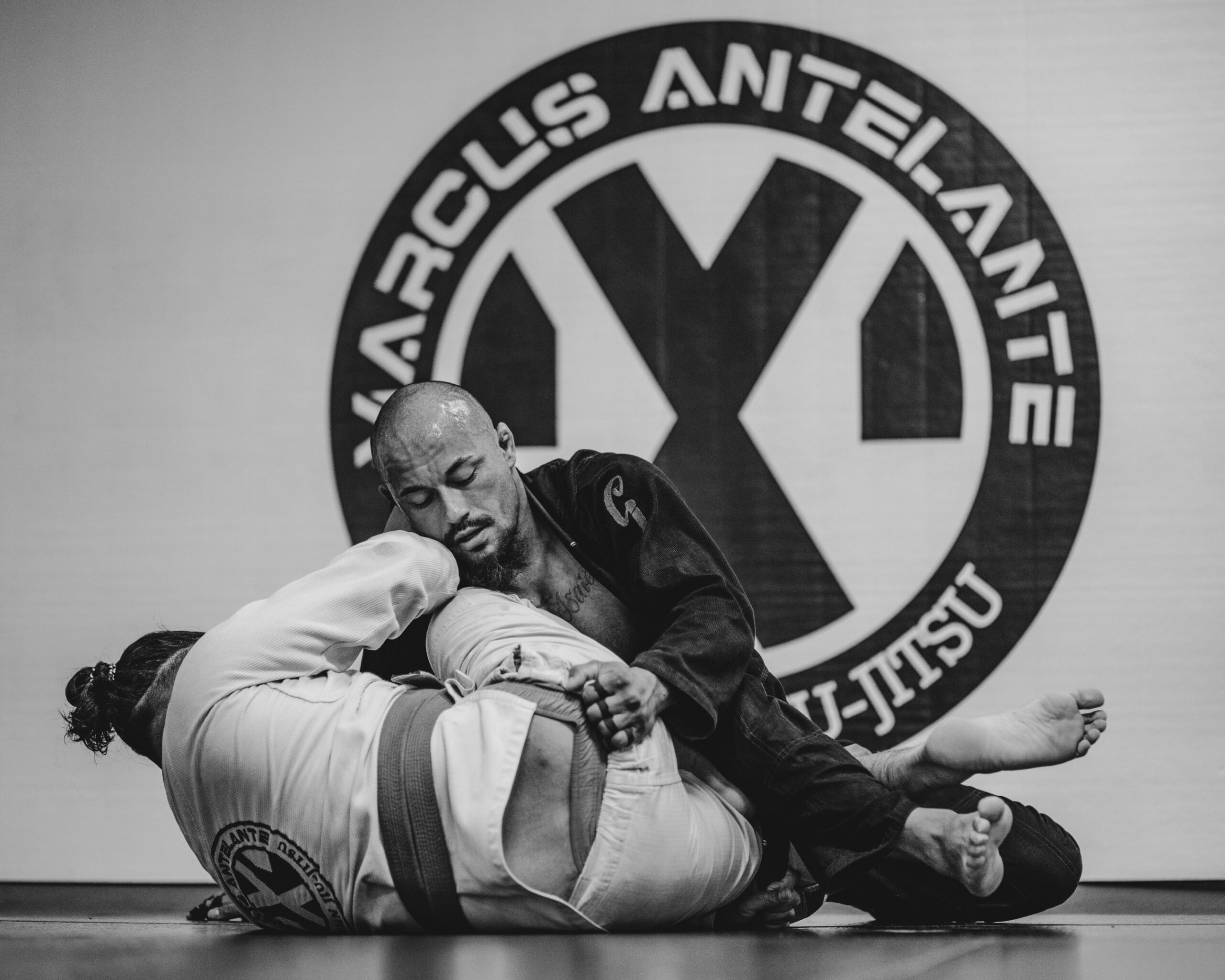
Competition BJJ Training in Irving: Elevate Your Tournament Game at MA BJJ Academy
Stepping onto the competition mats requires specialized preparation, tactical clarity, and athletic endurance. Across Irving, Texas, and the greater Dallas area, dedicated athletes continuously seek training methods that yield victory under tournament pressure. While casual practice builds recreational fitness, competition training demands a heightened level of intensity and tactical precision.
At MA BJJ Academy, our competition curriculum prepares practitioners to excel in high-stakes environments. Located conveniently in Irving near Dallas, our modern facility provides the ideal training ground for motivated competitors. This guide explores the core elements of tournament preparation and illustrates how structured competition training unlocks podium-level performance.
Discover MA BJJ Academy
1. Structuring an Effective BJJ Competition Camp
Successful tournament performance never occurs by accident. Instead, victorious athletes follow systematic training camps designed to peak at precisely the right moment.
Periodization and Strategic Training Cycles
Smart competitors organize their training weeks into clear, progressive phases. A well-designed camp gradually shifts focus from technical acquisition to high-intensity simulation.
Volume Phase: Athletes accumulate training hours, refine broad game plans, and address specific technical weaknesses.
Intensity Phase: Practitioners shorten rounds, increase physical pacing, and simulate real tournament match rules.
Taper Phase: Coaches reduce physical volume during the final week, allowing muscles and joints to recover fully before competition day.
This structured progression ensures students arrive on the competition mats feeling sharp, healthy, and explosive.
Positional Sparring Under Realistic Constraints
Endless free sparring often fails to prepare athletes for specific tournament crises. Therefore, our competition sessions emphasize situational and positional sparring drills.
Scoreboard Scenarios: Students practice holding leads with thirty seconds remaining on the clock.
Defensive Rescues: Athletes start in compromised positions, such as back control or mount, requiring immediate technical escapes.
Guard Passing Duels: Training partners fight aggressively for specific grips and guard passes under strict time limits.
By repeatedly solving high-pressure scenarios, competitors remove uncertainty from their competition mindset.
2. Tactical Strategy and the Tournament Points System
Points often decide close matches between evenly matched opponents. Consequently, strategic competitors study rule sets meticulously to maximize scoring opportunities.
Dominating the Takedown and Initial Exchange
The first ten seconds of a match frequently dictate the final outcome. Securing the initial takedown awards critical points while establishing immediate psychological momentum.
Wrestling Integration: Athletes drill explosive level changes, snap downs, and ankle picks to bring opponents to the mat decisively.
Guard Pulling Precision: Competitors who prefer guard play practice immediate connection to prevent opponent takedown points.
Pacing the Opening Exchange: Students learn to dictate physical tempo rather than reacting passively to opponent pressure.
Winning the opening sequence forces opponents to fight from behind, creating additional strategic openings.
Mastering Positional Dominance and Submission Chains
Tournaments reward practitioners who maintain positional control before chasing submissions. While submission hunting remains the ultimate objective, controlling key positions guarantees points on the scoreboard.
Passing Under Pressure: Competitors utilize heavy pressure passing to dismantle defensive guards systematically.
Consolidating Mount and Back Control: Students learn to secure stabilization points before attempting finishing mechanics.
Connecting Submission Chains: Highly trained athletes attack with combinations, transitioning from armlocks to collar chokes when opponents defend initial attacks.
Executing continuous attacks prevents opponents from mounting offensive comebacks during critical moments.
3. Physical Conditioning and Functional Endurance
Technical brilliance matters little when physical exhaustion sets in. Therefore, tournament preparation demands dedicated cardiovascular and functional conditioning.
Developing Tournament-Specific Energy Systems
Grappling tournaments place unique metabolic demands on the human body. Matches require both steady aerobic stamina and explosive anaerobic energy bursts.
High-Intensity Interval Drills: Short, explosive rounds mimic the frantic scrambles common in tournament brackets.
Isometric Grip Endurance: Consistent grip drills condition forearms, preparing competitors for sustained control battles.
Active Recovery Drills: Students practice slowing heart rates quickly between intense rounds through controlled breathing.
Conditioning athletes thoroughly ensures they maintain tactical sharpness throughout multiple bracket matches.
Joint Health and Smart Recovery Protocols
Overtraining often sidelines enthusiastic competitors before they ever reach the venue. For this reason, professional preparation prioritizes physical longevity and joint safety.
Mobility Work: Daily hip and shoulder mobility drills protect joints from chronic strain.
Proper Hydration and Nutrition: Clean nutritional habits sustain physical energy throughout demanding training weeks.
Ego-Free Partner Drilling: Teammates support each other by applying submissions cleanly and releasing immediately upon taps.
Maintaining healthy bodies allows competitors to train consistently without suffering preventable setbacks.
4. Cultivating Mental Toughness and Tournament Grit
Grappling competition challenges the mind as much as the physical body. Winning athletes develop unshakeable mental discipline to overcome anxiety and fatigue.
Managing Adrenaline and Pre-Match Nerves
Every athlete experiences nervous energy prior to stepping onto the competition mat. The secret lies in channeling adrenaline into productive focus.
Pre-Match Routines: Competitors establish structured warm-up rituals to calm racing thoughts and prepare muscles.
Visualization Techniques: Athletes mentally rehearse their ideal match sequences, anticipating challenges and visualizing successful solutions.
Controlled Respiration: Deep nasal breathing regulates heart rates and prevents early fatigue from adrenaline surges.
Learning to control the nervous system gives competitors a decisive psychological edge over nervous opponents.
Embracing Adversity on the Mats
Tournaments rarely proceed perfectly. An opponent may score first, or a referee decision may challenge your momentum. True champions adapt instantly to shifting circumstances.
Refocusing After Mistakes: Athletes reset their minds immediately after losing points, hunting for the next scoring opportunity.
Relentless Tenacity: Competitors fight through physical fatigue, pursuing victory until the final second ticks off the clock.
Viewing Losses as Data: Smart practitioners analyze mistakes objectively, returning to the gym with specific technical goals.
Developing mental grit transforms every competitive challenge into a stepping stone toward long-term mastery.
5. Why Competitors Choose MA BJJ Academy in Irving
Selecting the proper training academy determines your competitive trajectory. Our facility provides an elite, professional environment designed specifically to help local athletes succeed.
Guidance from Highly Trained Coaches
Our coaching staff brings deep technical knowledge, tactical insight, and patient mentorship to every competition session. Highly trained instructors analyze student matches, correct technical errors, and build customized competition blueprints for every athlete.
A Driven, Ego-Free Training Community
You cannot build championship skills in isolation. At MA BJJ Academy, our students form a unified team where higher ranks push, mentor, and elevate one another. Competitors challenge each other intensely while maintaining mutual respect and personal safety at all times.
Convenient Access for North Texas Athletes
Situated conveniently in Irving near Dallas, our academy offers flexible class times that fit demanding work and school routines. Athletes traveling from Las Colinas, Coppell, Carrollton, and Dallas can access elite BJJ classes without difficult commutes.
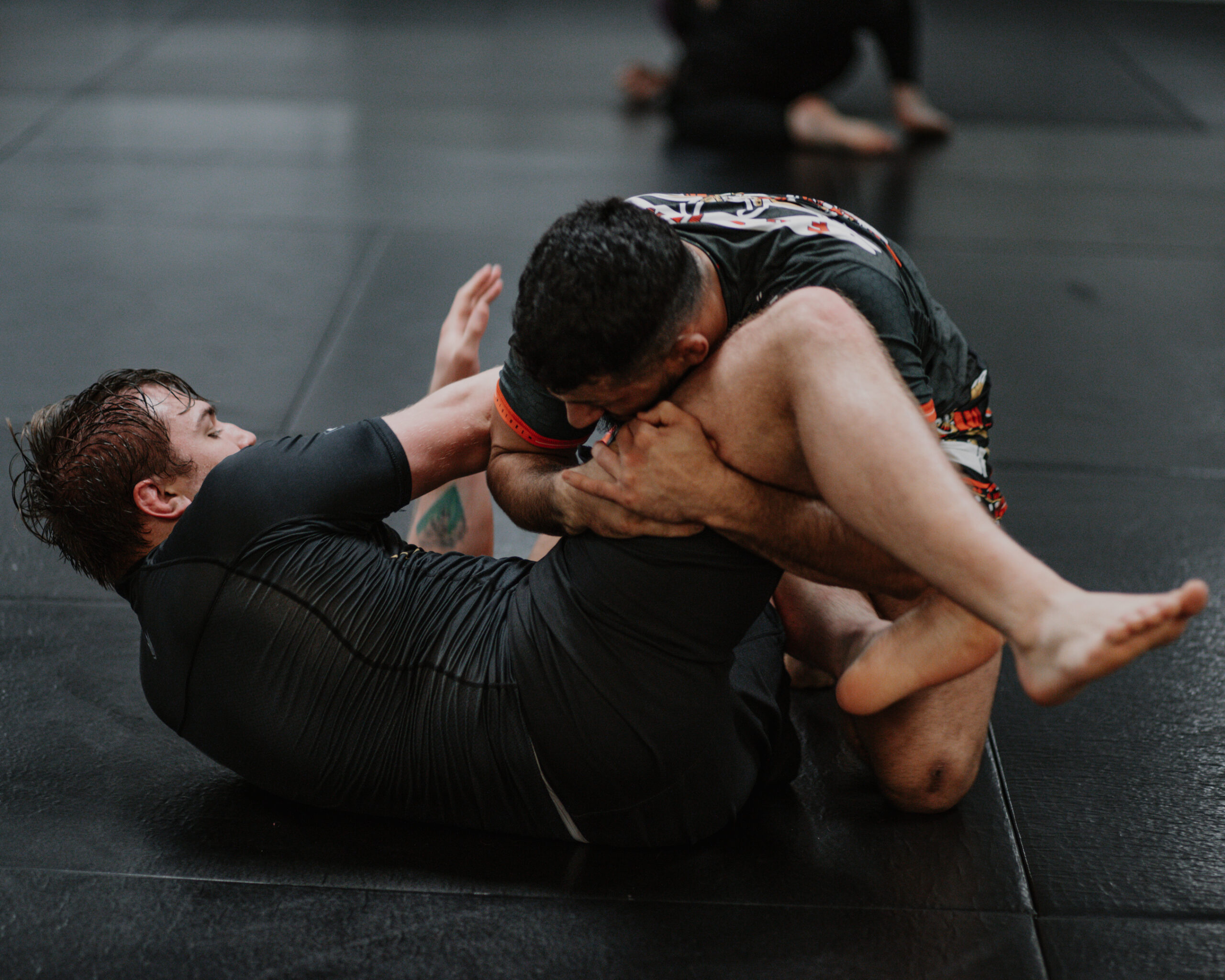
Take Your Competition Game to the Next Level
Stop leaving your tournament success to chance. Whether you plan to enter your very first local tournament or seek gold at major international championships, MA BJJ Academy in Irving provides the instruction, teammates, and structure you need.
Transform your physical conditioning, sharpen your technical strategy, and forge unbreakable mental toughness.
Discover MA BJJ Academy
Visit our website today to explore our class schedules and book a trial session in Irving. Step onto the mats and prepare for victory!