A useful grip changes what your partner can do
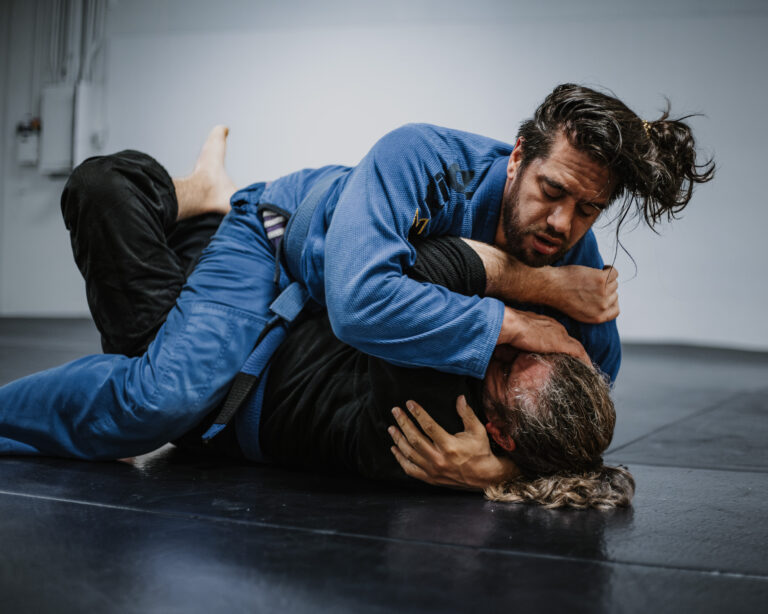
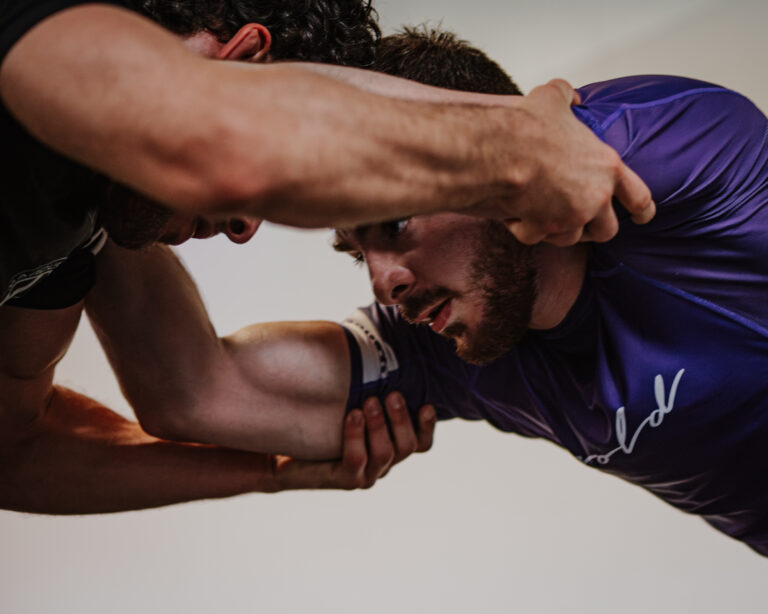
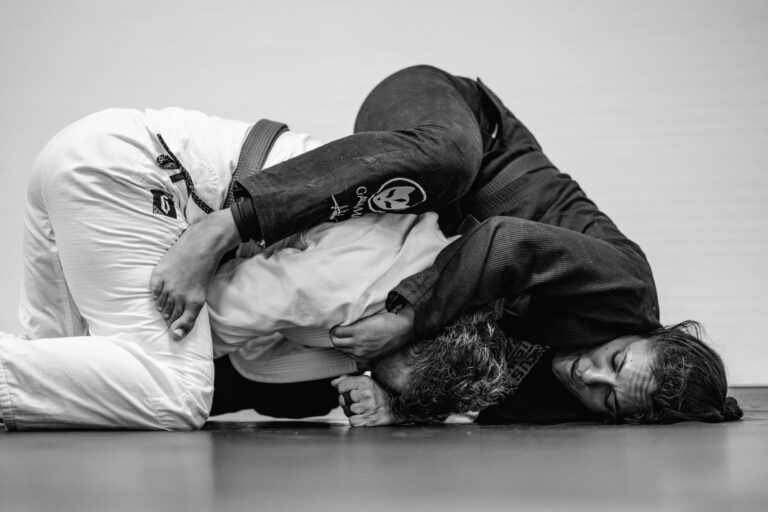
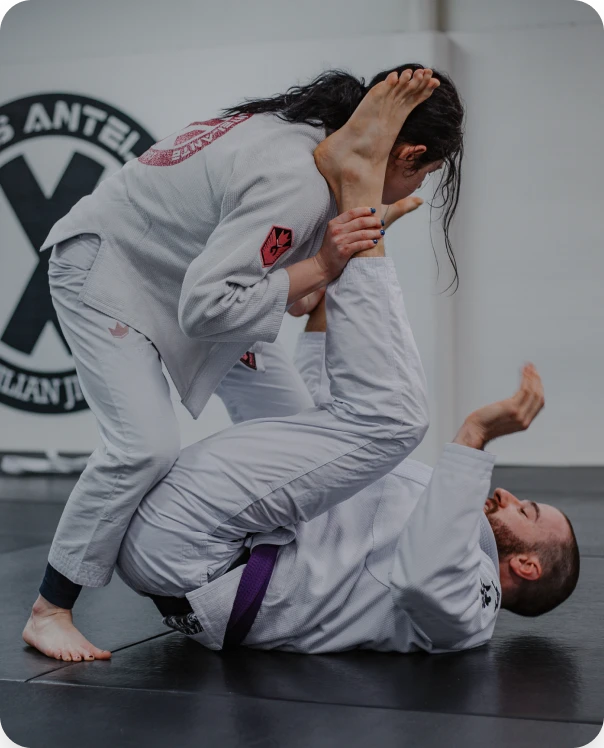
BJJ grip fighting is the exchange through which you establish useful holds, remove your partner’s controls, and connect those actions to your next movement. Grabbing a sleeve is only the beginning. The important question is whether that connection limits a hand, changes posture, or gives you time to move into position.
At MA BJJ Academy — Marcus Antelante Brazilian Jiu-Jitsu Academy in Irving, we encourage students to connect technical details with a clear purpose. Three decisions make this exchange easier to understand: choose a grip for a job, address the control that blocks you, and change your connection when the position changes.
DISCOVER MA BJJ Academy — Marcus Antelante Brazilian Jiu-Jitsu Academy
CLICK HERE1. Begin BJJ grip fighting with a specific job
A sleeve grip can restrict where an arm goes; a collar grip can help connect your upper body to your partner’s posture. Neither works independently of distance and alignment. Holding loose fabric while your partner moves freely may give you contact without meaningful grip control.
Ask what must change before your next action becomes possible. From guard, you might need to prevent a hand from posting on the mat. While passing, you might need to keep a leg from returning between you. Those are different tasks, so reaching for the same familiar collar every time may not solve either one.
Connect your hands with your position
Imagine holding a sleeve while your arm is stretched far away from your body. Your partner may be able to move your whole arm despite your tight hand. Adjusting distance and elbow position can matter more than squeezing harder. Ask us to check that relationship during supervised practice rather than copying a hand placement alone.
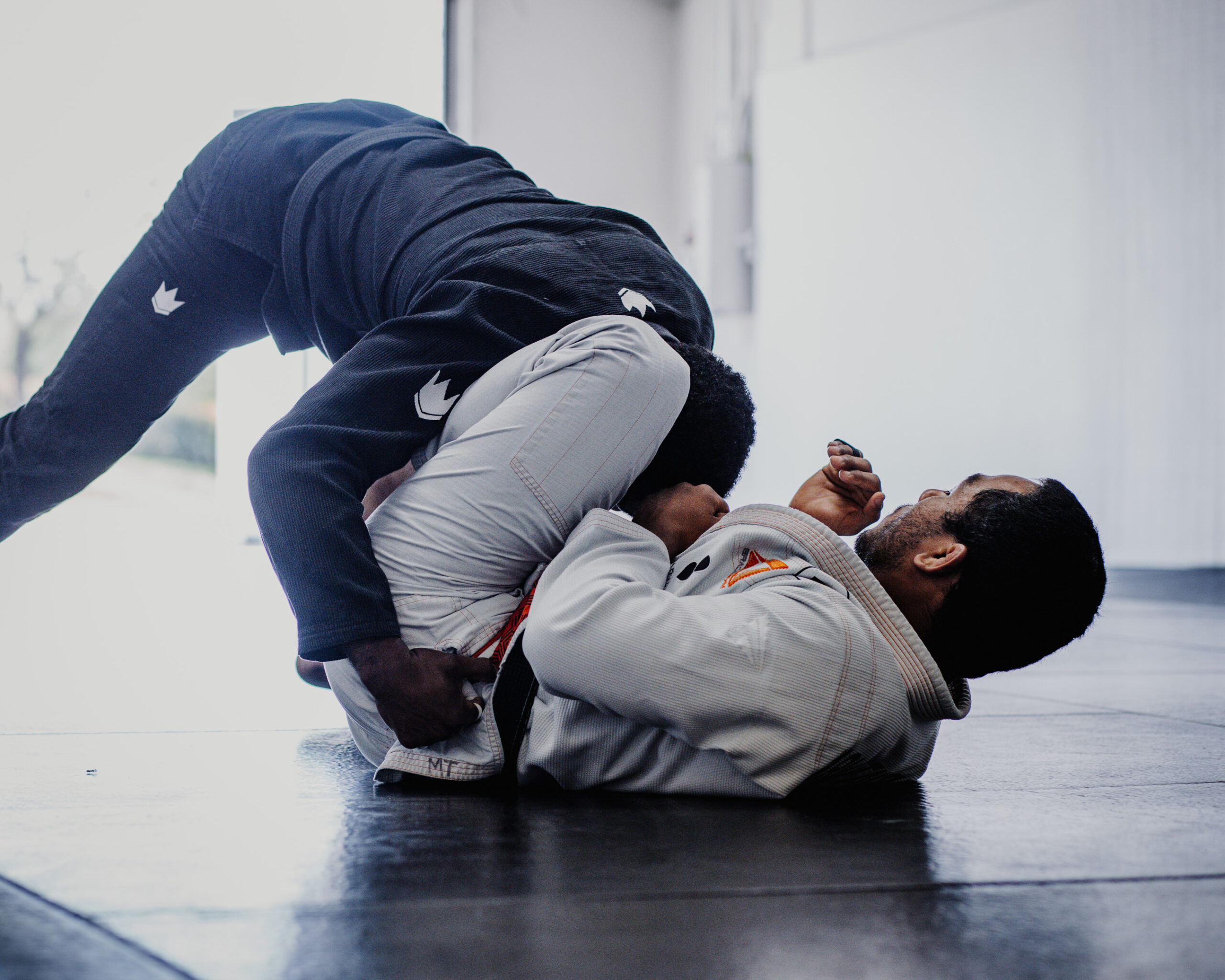
The same connection serves different purposes across different guard positions. A sleeve hold used alongside leg contact in open guard is part of a larger arrangement. Remove that supporting position and the grip may no longer provide the same control.
2. Remove the grip that prevents your next action
Not every opposing grip deserves an immediate battle. Start by identifying what it stops you from doing. If a collar connection prevents you from recovering posture, address that problem before chasing an unrelated sleeve. If a sleeve hold prevents you from placing a needed hand, that restriction may take priority.
Breaking grips requires direction and timing
Pulling against a strong hold without changing the situation can turn the exchange into a prolonged tug. Breaking grips is more effective when you understand the hold’s direction, manage the distance, and coordinate your hands with your body. The exact method depends on the grip and position; ask us to demonstrate the appropriate version.
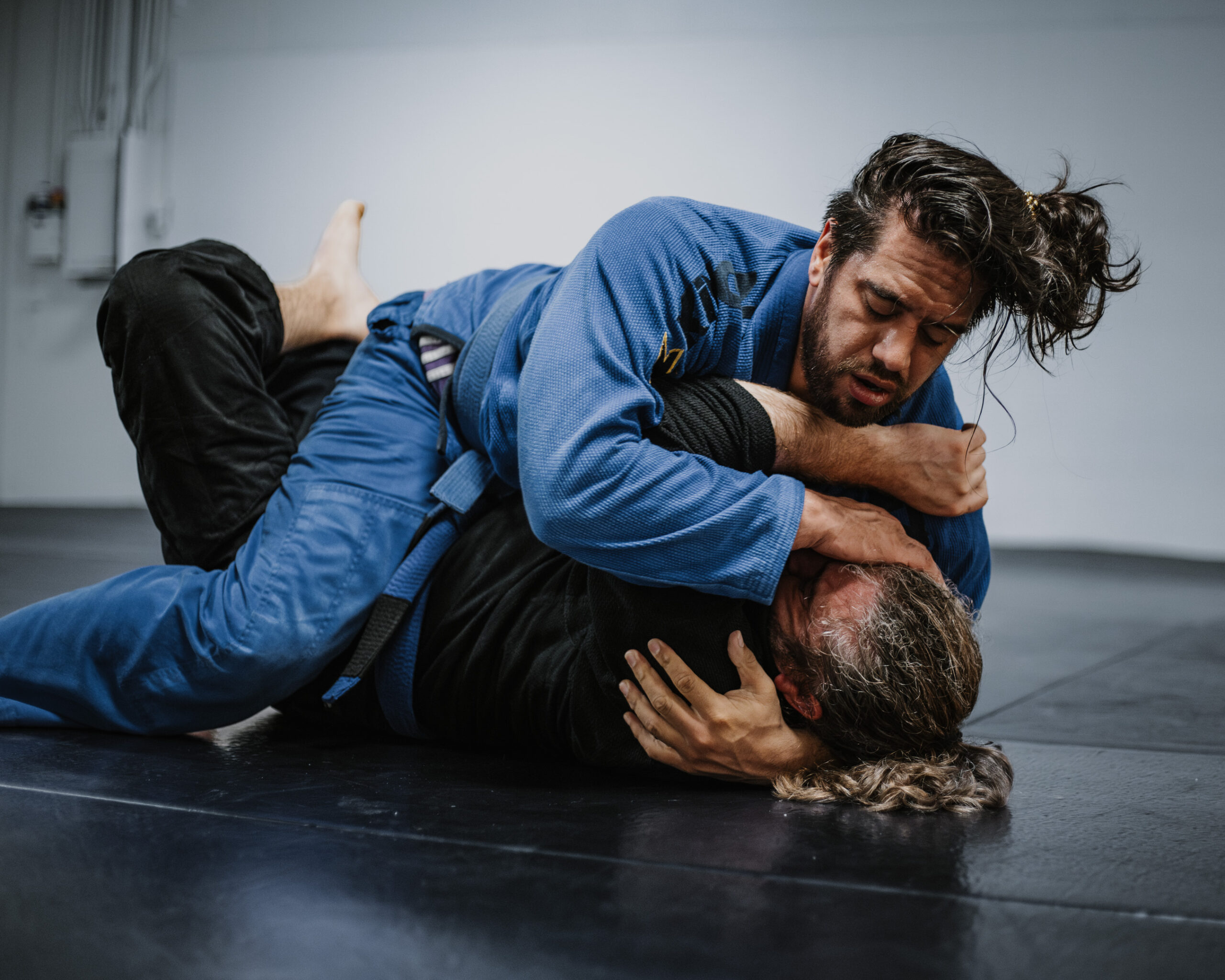
A two-on-one can be useful when one hand cannot manage the connection alone. This means using both hands to control an arm or gripping hand as instructed, rather than pulling individual fingers. The trade-off matters: committing both hands to one task temporarily leaves fewer options elsewhere.
At MA BJJ Academy — Marcus Antelante Brazilian Jiu-Jitsu Academy, we want students to recognize what a correction changes. Our beginner guide to defensive structure and posture provides context for seeing when an opposing connection is interfering with your position.
Have a destination after the release
Breaking grips creates an opportunity, not a finished position. If you clear a sleeve and leave the same hand within easy reach, your partner may immediately reconnect. Decide whether you need to recover posture, establish your own hold, or move to a different angle before you begin the exchange.
This is where BJJ grip fighting becomes part of the wider sequence. Recognizing the positions you are moving between helps you judge what the newly available space is actually for.
3. Change your connection instead of preserving every hold
A grip that helped you start an action can become unnecessary after the angle changes. Holding it indefinitely may keep your own hand occupied when you need to post, frame, or establish another connection. Good grip control includes recognizing when to let go.
In Gi training, fabric gives you sleeve, collar, and pants connections. In No-Gi, you need different contact points and cannot treat clothing as an equivalent handle. Our explanation of Gi and No-Gi training differences shows why the purpose can stay similar while the available grips change.
For competition, confirm what the applicable rules allow before building habits around a particular hold. The official IBJJF rulebooks and rules resources provide a starting point for IBJJF events. Check the version and requirements for your event with your coach; another organizer may use different rules.
Practice BJJ grip fighting before adding a full round
Ask us to help choose a suitable starting position and one limited objective for partner practice. For example, one partner maintains an approved sleeve connection while the other works on clearing it and recovering a useful hand position. Begin cooperatively so both people understand the task.
Add resistance gradually under instruction, then switch roles. Notice whether you succeeded through a useful angle or simply because your partner released the hold. For students preparing for a tournament, this focused work can complement structured competition preparation without turning every repetition into a full match.
Review why the exchange worked
After a practice exchange, identify what changed. Did your partner lose a useful connection, or did they keep the grip but lose the angle that made it effective? Did you move immediately afterward, or allow the same hold to return? These details tell you more than counting how many grips you broke.
If your hands tire quickly, ask us to observe when you squeeze and when you could release. Better grip control is not measured by maintaining maximum tension throughout the round. It is measured by whether your connection supports the position you need.
DISCOVER MA BJJ Academy — Marcus Antelante Brazilian Jiu-Jitsu Academy
CLICK HEREMake the next grip serve the next movement
BJJ grip fighting becomes clearer when you choose connections deliberately, remove the control that matters, and release holds that have finished their job. Those three decisions turn hand contact into a useful part of your positional game.
At MA BJJ Academy — Marcus Antelante Brazilian Jiu-Jitsu Academy, bring us a specific question about a grip exchange you find difficult. Contact us to try a class, meet our team, and learn how to connect your grips with your next movement.